How to Write a Science Fiction Novel
One big idea, followed honestly. How to build science fiction that holds up: the premise, the consequences, the exposition problem, and how hard your science needs to be.
Guides, news & tutorials on AI writing, illustration, audiobooks, and publishing.
No posts yet — check back soon!
One big idea, followed honestly. How to build science fiction that holds up: the premise, the consequences, the exposition problem, and how hard your science needs to be.
Dread beats gore, the monster gets weaker every time you show it, and the reason most horror drafts stop being frightening at chapter four.
Mysteries are built backwards. How to plant clues the reader sees and misunderstands, write red herrings that are not cheats, and land a solution that feels inevitable.
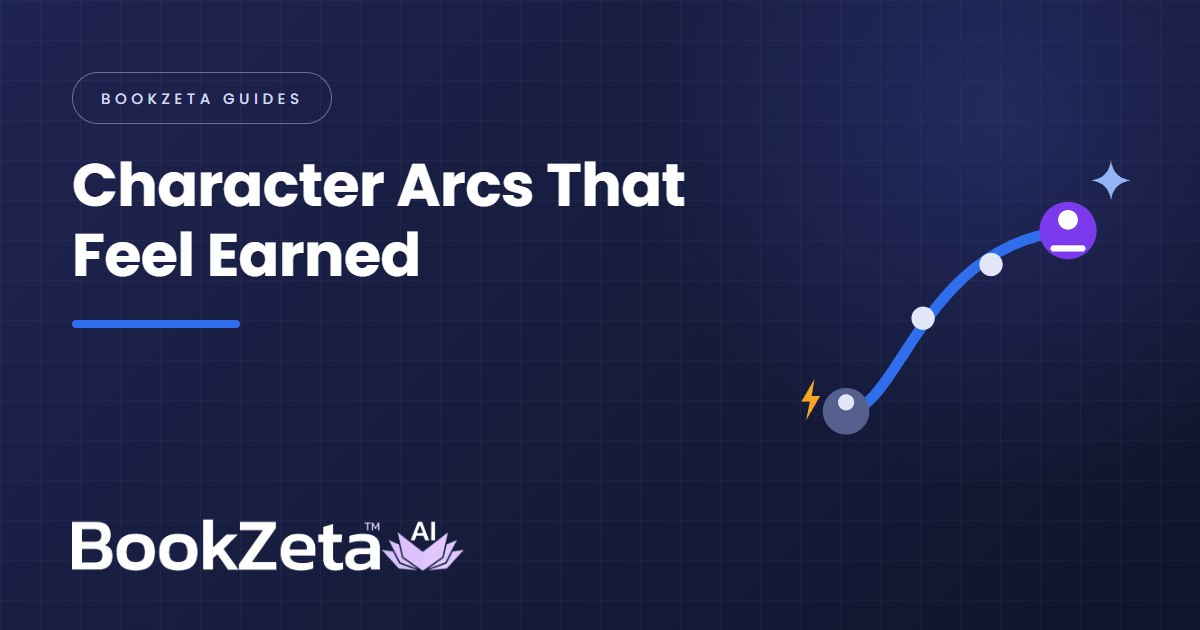
The three arc types, the lie your character believes, and why most flat characters are flat because nothing ever costs them anything.
The decision that shapes every sentence in your book, explained without the jargon: what each POV can do, what it costs you, and how to stop head-hopping.
Where to open, what belongs on page one, and the six openings that make readers put a book down before chapter two.
A scannable list of 40 book genres and subgenres, grouped by parent genre, each with a one-line description and a premise you can steal to get started.
Why webtoon characters drift between panels, and how to stop it: character sheets, fixed identifiers, outfit lists, expression sheets, and how to keep an AI generator on model.
Is a webtoon a manga? No. How vertical-scroll webtoons, Japanese manga and Western comics differ in reading direction, color, release rhythm and where readers find them.